Football Ball Size Guide 2026/27: The Complete Guide to Choosing the Right Football for Every Age

Updated: Aug 14
Choosing the Right Football for Your Child: A Comprehensive Guide
===================================================================
Choosing the right football for your child might seem like a small detail, but it can have a huge impact on their development, confidence, and enjoyment of the game.
Whether your son or daughter has just started playing for an Under 7 grassroots team or is preparing to move into 11v11 football, using the correct ball size helps them learn essential technical skills more effectively. From improving first touch and passing accuracy to developing better shooting technique, the right football gives young players the best chance to succeed.
That's why the Football Ball Size Guide has become even more important following England Football's FutureFit changes for the 2026/27 season.
The updated guidance simplifies youth football by matching the size of the ball to the format of the game. This creates a more consistent pathway as players progress through 3v3, 5v5, 7v7, 9v9, and finally into the full 11v11 game.
In this guide, you'll discover:
The correct football size for every youth age group
How the FutureFit changes affect grassroots football
Why practising with the correct football matters
Common mistakes parents and coaches make
Expert recommendations for the best footballs to buy
Essential equipment, including football pumps and ball bags
Answers to the most frequently asked questions about football sizes
Whether you're buying your child's first football or replacing worn-out training balls for your team, this guide will help you make the right choice.
England Football FutureFit Ball Size Changes Explained
England Football's FutureFit programme has been introduced to make youth football more consistent, enjoyable, and development-focused.
One of the biggest changes is how football sizes now align more closely with the format of the game. Rather than changing ball sizes too early, younger players will continue using a Size 3 football for longer before progressing through Size 4 and then Size 5 as the game becomes bigger and more demanding.
This approach gives children more time to master the fundamental techniques needed to become confident footballers.
FutureFit Ball Size Guide

Save This Guide
If you're a coach, team manager, or football parent, save this infographic for future reference and share it with your club's parents' WhatsApp group or coaching team. Ensuring every player trains with the correct football creates a better learning environment and helps children develop their skills more naturally.
Football Ball Sizes by Age
The table below shows the recommended football sizes under the England Football FutureFit guidelines.
Age Group | Playing Format | Recommended Ball Size |
U7 | 3v3 | Size 3 |
U8 | 5v5 | Size 3 |
U9 | 5v5 | Size 3 |
U10 | 7v7 | Size 3 |
U11 | 7v7 | Size 3 |
U12 | 9v9 | Size 4 |
U13 | 9v9 | Size 4 |
U14 | 11v11 | Size 5 |
U15 | 11v11 | Size 5 |
U16 | 11v11 | Size 5 |
At first glance, these changes might appear minor, but they reflect years of research into how young players develop physically and technically.
A football that's too large or too heavy can make passing, dribbling, and shooting unnecessarily difficult. By matching the ball size to the player's age and stage of development, coaches can create sessions that are more enjoyable and allow children to build confidence with every touch.
Why Has the Football Ball Size Guide Changed?
For many years, youth football followed a traditional progression of ball sizes that didn't always reflect the demands of the game being played.
The FutureFit approach recognises that children benefit from spending longer with a smaller football before moving up in size. A Size 3 football is lighter, easier to control, and encourages players to develop good habits at an early age.
As children grow stronger and begin playing larger formats such as 9v9 and eventually 11v11, they transition to larger footballs at a stage that better matches their physical development.
The aim isn't simply to make the game easier—it's to give every player the opportunity to master the basics before adding new challenges.
For parents, this means buying the correct football for your child's age group isn't just about following the rules; it's about supporting their long-term development.
Why the Right Football Makes Such a Difference
Think about how many touches a young player has during a typical training session. Every pass, dribble, first touch, shot, and tackle helps shape their technique.
Now imagine practising those same skills with a football that's too large or too heavy. Controlling the ball becomes more difficult, passing requires extra effort, and striking the ball cleanly is much harder. Over time, this can lead to poor habits that are difficult to correct.
Using the correct football size allows players to:
Develop a softer first touch.
Improve close ball control.
Pass with greater accuracy.
Build confidence when dribbling.
Learn proper shooting technique.
Enjoy training and matches more.
These may seem like small gains, but they accumulate over hundreds of training sessions and thousands of touches on the ball.
That's why experienced grassroots coaches place so much importance on using the correct equipment from the very beginning.
In the next section of this guide, we'll explore exactly why the correct football ball size matters, how it affects technical development, and what parents and coaches can do to help young players get the most from every training session.
Why the Correct Football Ball Size Matters
When parents buy a football, it's often based on brand, colour, or price. While those factors are important, one of the biggest influences on a young player's development is choosing the correct football ball size.
Football is a game built on repetition. Every training session gives players hundreds of opportunities to practise passing, receiving, dribbling, turning, and shooting. If they're practising with the wrong size football, they're also repeating poor movement patterns and technique.
The new England Football FutureFit guidance aims to eliminate that problem by ensuring players use equipment that's appropriate for their age, physical development, and playing format.
For children, learning football should feel achievable. A ball that's too large or too heavy can make simple skills frustrating, while the correct size encourages success, builds confidence, and makes the game more enjoyable.
How the Right Football Improves Player Development
One of the biggest misconceptions in youth football is that using a larger ball will make children stronger or prepare them more quickly for the next age group. In reality, technical ability develops best when players use equipment that's designed for their stage of development.
Better First Touch
The first touch is one of the most important skills in football. Players who can control the ball quickly have more time to make decisions, keep possession, and play with confidence.
A correctly sized football is easier for younger players to cushion and control, helping them develop a softer, more consistent first touch. Over time, this becomes second nature and transfers directly into match situations.
Improved Passing Accuracy
Passing is about more than simply kicking the ball. Young players need to learn:
Weight of pass
Direction
Timing
Body shape
Accuracy
An oversized football often requires more force, leading players to sacrifice technique in favour of power.
Using the recommended ball size allows players to concentrate on passing accurately with the inside of the foot before progressing to more advanced techniques.
Greater Confidence When Dribbling
Confidence comes from success.
When children can manipulate the football comfortably, they're more likely to:
Take on defenders
Try new skills
Change direction quickly
Protect the ball effectively
A football that's too heavy often discourages creativity because players feel less in control.
More Effective Shooting Technique
Many young players naturally try to generate extra power when shooting. If the football is too large or under-inflated, they often compensate by swinging wildly at the ball, leaning backwards, or striking with poor technique.
Using the correct football size allows players to focus on:
Clean ball striking
Balance
Accuracy
Following through correctly
These habits become increasingly valuable as players progress into older age groups.
The Link Between Ball Size and Confidence
Confidence isn't built through praise alone.
It's built through repeated success.
Imagine two Under 8 players learning to dribble.
One uses the recommended Size 3 football.
The other practises with an adult Size 5 football.
The player using the Size 3 football will generally experience:
Better control
More successful dribbles
Cleaner passes
Greater enjoyment
Positive experiences encourage children to keep practising, while repeated frustration can reduce motivation and enjoyment.
For many children, especially those new to football, simply using the correct football can make the game feel far more accessible.
Common Mistakes Parents Make
As a football parent, it's easy to assume that "a football is just a football." However, there are a few common mistakes that can affect a child's development.
Buying an Adult Football Too Early
Many parents purchase a Size 5 football because it's the most widely available in supermarkets and sports shops.
While it may seem like a sensible long-term purchase, it's often unsuitable for younger players.
Using a football that's too large can make every technical skill more difficult.
Always check your child's age group before buying.
Using Old or Damaged Footballs
Footballs naturally wear over time.
Signs it may be time for a replacement include:
Cracked outer surface
Loose stitching
Misshapen panels
Poor air retention
Uneven bounce
A damaged football behaves unpredictably and can make technical practice much harder.
Ignoring Ball Pressure
Even the best football won't perform properly if it's over- or under-inflated.
Correct air pressure affects:
Ball control
Passing accuracy
Bounce
Shooting
Durability
Checking the pressure before training only takes a few moments and can significantly improve the quality of every session.
How Often Should Footballs Be Replaced?
There's no fixed lifespan for a football.
It depends on:
How often it's used
Playing surface
Weather conditions
Storage
Build quality
For grassroots players training twice a week and playing weekly matches, a quality football can often last an entire season if looked after properly. Parents can extend the life of a football by:
Keeping it clean after muddy sessions.
Storing it indoors.
Avoiding prolonged exposure to extreme temperatures.
Maintaining the correct air pressure.
Using match balls only for matches where possible.
Many coaches rotate several footballs during training to reduce wear and maintain consistent performance.
Match Balls vs Training Balls
Another common question is whether players need a dedicated match ball. For most grassroots footballers, the answer is yes—if your budget allows.
Training Footballs
Training footballs are designed to withstand hundreds of repetitions.
They're ideal for:
Shooting drills
Passing exercises
Small-sided games
Individual practice
Durability is prioritised over premium feel.
Match Footballs
Match footballs are typically manufactured to a higher specification. Benefits include:
More consistent flight
Better touch
Improved responsiveness
Higher-quality materials
Many clubs reserve match balls for fixtures only, helping them last longer throughout the season.
For parents buying just one football, a high-quality training ball offers the best balance between durability and performance.
Football Pressure Guide
Correct inflation is often overlooked, but it plays a crucial role in how a football performs.
An under-inflated ball feels heavy and sluggish, making passing and shooting more difficult.
An over-inflated ball becomes harder to control and can bounce unpredictably. Most football manufacturers recommend inflating footballs to between 8.5 and 15.6 PSI (0.6–1.1 bar), although you should always check the markings printed on the ball itself.
A quality dual-action pump with an integrated pressure gauge makes it easy to maintain the correct inflation and ensures every training session starts with a match-ready football.
Advice for Parents
Supporting your child's football journey doesn't mean buying the most expensive equipment.
Instead, focus on choosing equipment that's appropriate for their age and playing level.
A good-quality football in the correct size, a reliable pump, and regular opportunities to practise at home will contribute far more to their development than the latest boots or expensive accessories.
Encourage your child to spend just 15–20 minutes several times a week practising simple skills such as juggling, passing against a wall, dribbling around cones, and first-touch exercises. Consistent practice with the correct football helps build confidence, improve technique, and develop a genuine love for the game.
Advice for Coaches
Grassroots coaches play a vital role in creating positive learning environments. Before each training session:
Check every player is using the correct football size.
Ensure all footballs are properly inflated.
Remove damaged footballs from use.
Carry spare footballs in case one becomes unusable.
Encourage players to bring their own correctly sized football whenever possible.
The quality of your equipment directly affects the quality of your sessions. Small details—such as using the correct football ball size—can make a significant difference over the course of a season.
In the next section, we'll review the best Size 3, Size 4, and Size 5 footballs available, along with our top recommendations for football pumps and ball bags to help parents and coaches choose equipment that offers the best value for money.
The Best Footballs to Buy for Every Age Group
Now that you understand why using the correct football ball size is so important, the next question is simple:
Which football should you buy?
There are hundreds of footballs available online, ranging from budget training balls costing less than £10 to premium match balls used by professional clubs. For most grassroots players, the best option sits somewhere in the middle—a durable football that offers consistent performance without breaking the bank.
In this guide, we've selected footballs from trusted brands that are widely used by grassroots clubs, schools, and academies across the UK. These recommendations provide excellent value, reliable durability, and performance that will help young players get the most from every training session.
Best Size 3 Footballs (U7–U11)
Players in Under 7 to Under 11 football should use a Size 3 football under the England Football FutureFit guidelines.
A Size 3 football is lighter and easier to control, making it ideal for developing technical skills such as passing, dribbling, and shooting.
1. Nike Academy Football (Size 3) (approx £21)
Best Overall Size 3 Football
⭐⭐⭐⭐(4.6)
The Nike Academy Football is one of the most popular choices for grassroots football. Its textured casing provides excellent grip, while the durable construction means it can withstand regular use on both grass and artificial surfaces.

Pros
Excellent durability
Consistent flight
Soft touch
Suitable for training and matches
Ideal for
Grassroots teams
Academy players
Home practice
2. Mitre Unisex Impel L30P Football (approx £12)
Best Value Size 3 Football
⭐⭐⭐⭐(4.5)
Mitre has been a trusted name in grassroots football for decades, and the Impel remains one of the best-value footballs available. It offers fantastic durability and is often used by schools and local clubs throughout the UK.

Pros
Affordable
Excellent durability
Available in multiple colours
Great for weekly training
Best Size 4 Footballs (U12–U13)
The move to a Size 4 football coincides with the transition to 9v9 football. At this stage, players are becoming physically stronger and technically more advanced, making it the perfect time to move up in ball size.
1. PUMA Orbita Play Premier League 2025/26 Football
⭐⭐⭐⭐(4.6) Amazon's choice

12 panels with equal surface area: Aids shape retention
Machine-stitched build
TPU outer surface with foam layer underneath: Soft touch
Wounded rubber bladder: Enhanced stability and good air retention
2. Mitre Ultimatch Football (Size 4) (Under £25)
⭐⭐⭐⭐(4.4) Amazon's choice
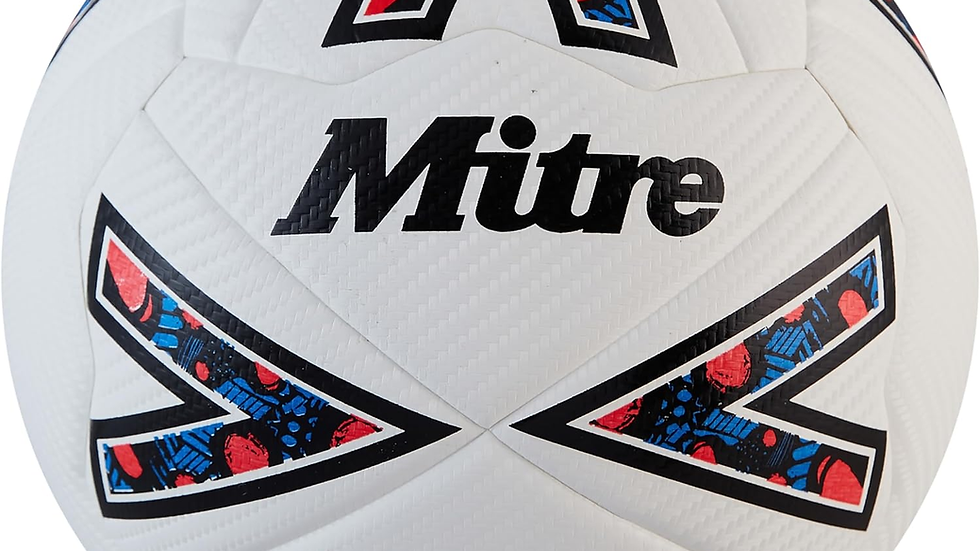
One of the most recognisable footballs in grassroots football, the Mitre Ultimatch combines professional performance with excellent value for money.
Ideal for clubs looking to purchase multiple footballs without compromising on quality.
3. adidas FIFA World Cup 26™ Trionda Soccer Ball
⭐⭐⭐⭐(4.4) (Under £30)

A machine-stitched construction ensures a soft touch, and a butyl bladder provides lasting shape retention for every practice.
SOFT AND DURABLE: Machine-stitched construction ensures a soft touch and high durability
KEEPS ITS SHAPE: Butyl bladder for best air retention
Best Size 5 Footballs (U14+)
Once players reach Under 14 and begin playing 11v11 football, they transition to the standard adult Size 5 football.
Choosing a high-quality football at this stage becomes increasingly important, particularly for players involved in academy programmes or competitive grassroots leagues.
1. adidas Oceaunz League Football (Size 5)
Best Premium Football
⭐⭐⭐⭐(4.6)
Inspired by elite-level competition, this football combines exceptional touch with excellent durability. It's an ideal choice for ambitious players looking to improve their game.

Pros
Superb flight characteristics
Excellent control
Durable construction
Match-quality performance
2. PUMA Orbita Play Premier League 2025/26 Football
⭐⭐⭐⭐(4.6) Amazon's Choice
12 panels with equal surface area: Aids shape retention
Machine-stitched build
TPU outer surface with foam layer underneath: Soft touch
Wounded rubber bladder: Enhanced stability and good air retention

3. Mitre Delta Professional Football (Size 5) (Under £35)
⭐⭐⭐⭐(4.5)
Used by many leagues across the UK, the Mitre Delta offers professional-level performance and is ideal for serious grassroots players.
Precision strikes: The Delta One football has targeted Hyperflow grooves which improve in-flight consistency and reduce drag for pinpoint passing.
Consistent Play: With a thermally bonded Hyperseal construction, this football is designed for zero water absorption.
Durable: The Delta One is designed for durability and has outstanding abrasion resistance, ensuring that this match football is suitable for both grass and Astro surfaces.

Best Football Pump
No football will perform properly if it's under-inflated. A quality football pump is one of the best investments any parent or coach can make.
SPORTBIT Ball Pump = (Approx £12)
⭐⭐⭐⭐(4.4)

Made for your comfort with a soft mold that fits perfectly in your hand.
Push-Pull Air Delivery System – Inflates when you push and when you pull, the best of soccer and exercise ball pumps.
Needles Don’t Bend - Our unique soft needle plug system prevents the needles from bending.
Best Ball Bag
If you're responsible for transporting footballs each week, a durable ball bag quickly becomes an essential piece of equipment.
CampTeck U7081 Drawstring Soccer Ball Bag
⭐⭐⭐⭐(4.4) Amazon's choice
Best Seller on Amazon (under £10)
The Mitre Ball Sack is one of the most popular choices among grassroots coaches. Features include:

Holds up to 12 footballs
Durable mesh construction
Adjustable shoulder strap
Drawstring closure
Lightweight design
Perfect for weekly training sessions and matchdays.
Football Buying Guide
When comparing footballs, don't just look at the brand name. Instead, consider these key features.
Construction
Machine-stitched footballs offer excellent durability and represent the best value for grassroots players. Thermally bonded footballs generally provide improved waterproofing and a more consistent flight but come at a higher price.
Outer Material
Look for footballs made from high-quality polyurethane (PU). PU footballs tend to offer:
Better touch
Improved durability
Greater resistance to water absorption
Bladder
A butyl bladder retains air better than latex, meaning you'll spend less time pumping footballs before training.
Certification
Footballs carrying FIFA Basic or FIFA Quality certification have been tested for:
Weight
Shape retention
Water absorption
Bounce
Durability
Investing in the Right Equipment
The football your child trains with is one of the most important pieces of equipment they'll own.
Choosing the correct football ball size—and pairing it with a reliable pump and durable ball bag—helps create consistent training sessions and supports long-term player development.
A quality football doesn't need to be the most expensive model available. Instead, look for one that's the correct size, well-constructed, and built to withstand regular use.
In the final part of this guide, we'll answer the most frequently asked questions about football sizes, provide additional advice for parents and coaches, and show you how to get the most out of your football equipment throughout the season.
Frequently Asked Questions
Choosing the right football doesn't need to be confusing. Below are the answers to the questions parents and grassroots coaches ask most often about the football ball size guide and the England Football FutureFit changes.
What size football should my child use?
The correct football depends on your child's age group and the format of football they play. Under the England Football FutureFit guidelines:
Age Group | Football Format | Ball Size |
U7 | 3v3 | Size 3 |
U8 | 5v5 | Size 3 |
U9 | 5v5 | Size 3 |
U10 | 7v7 | Size 3 |
U11 | 7v7 | Size 3 |
U12 | 9v9 | Size 4 |
Using the correct ball size helps children develop their technical ability and prepares them for the next stage of their football journey.
Why is the correct football size so important?
Using the correct football size improves:
First touch
Passing accuracy
Ball control
Shooting technique
Confidence
Decision making
Practising with the same size ball used in matches helps players develop consistent habits that transfer directly onto the pitch.
Can my child practise with an adult football?
It's best not to. Adult Size 5 footballs are heavier and larger than those recommended for younger players. This can make basic skills more difficult to learn and may encourage poor technique.
Children should practise with the same size football they'll use during matches whenever possible.
What size football is used in 9v9 football?
Players competing in Under 12 and Under 13 9v9 football should use a Size 4 football under the England Football FutureFit guidelines.
When do players move to a Size 5 football?
Players move to a Size 5 football from Under 14 onwards, when they begin playing the full 11v11 format. This is the same size football used throughout the adult game.
How often should I replace a football?
A quality football can last an entire season—or even longer—if it's properly cared for. Replace your football if you notice:
Split seams
Cracked outer surface
Poor air retention
Misshapen panels
Inconsistent bounce
Rotating between a match ball and a training ball can also extend the life of both.
How much should I spend on a football?
For most grassroots players, spending between £15 and £35 will buy a high-quality football that's durable enough for regular training and weekend matches. More expensive match balls offer premium performance but aren't essential for every young player.
Which football brands are best?
Some of the most trusted football brands include:
Nike
adidas
Mitre
Puma
FORZA
Precision Training
Each offers excellent footballs in Size 3, Size 4, and Size 5 suitable for youth football.
Do footballs lose air naturally?
Yes. Even premium footballs gradually lose air over time. Checking the pressure before every training session helps maintain consistent performance and extends the life of your football.
What's the best way to practise at home?
You don't need a full-size pitch. Many of the best footballers developed their technique by practising little and often. Simple ideas include:
Passing against a wall
Dribbling around cones
Keepy uppies
First-touch drills
Turning exercises
Shooting at small targets
Just 15–20 minutes of focused practice several times a week can make a noticeable difference over the course of a season.
Final Thoughts
Choosing the right football isn't simply about following the rules—it's about giving young players the best opportunity to enjoy the game and develop their skills.
The England Football FutureFit changes simplify the progression through youth football by ensuring players use equipment that matches their age and playing format.
Whether your child is taking their first steps in 3v3 football or preparing for the transition into 11v11, practising with the correct football size builds confidence, improves technique, and creates better habits for the future.
Investing in a quality football, keeping it correctly inflated, and encouraging regular practice at home are some of the simplest ways to support your child's development.
Remember, great players aren't made overnight—they're built through thousands of quality touches on the ball.
Our Recommended Equipment
To help your child get the most from every training session, we recommend:
✅ A quality football in the correct size
✅ A reliable dual-action football pump
✅ A durable ball bag for transport and storage
✅ A few cones for home practice
✅ A football rebounder or wall for first-touch training
Good equipment won't replace quality coaching, but it can make every practice session more enjoyable and productive.
Continue Reading on The Football Parent
If you found this guide useful, you might also enjoy these articles:


