How Football Academy Trials Work: A Parent's Guide to the Process

Updated: Jul 25
For many young footballers, receiving an invitation to attend a football academy trial is an exciting moment. It can feel like the first step towards a dream of playing at a higher level. For parents, however, academy trials often raise many questions.
How are players selected? What happens during a trial? What are coaches looking for? And what should families realistically expect from the process?
Understanding football academy trials can help remove some of the uncertainty and ensure both parents and players approach the experience with the right mindset.
The most important thing to remember is that academy trials are not simply about finding the best player on the day. They are designed to assess potential, attitude and suitability for long-term development within an academy environment.
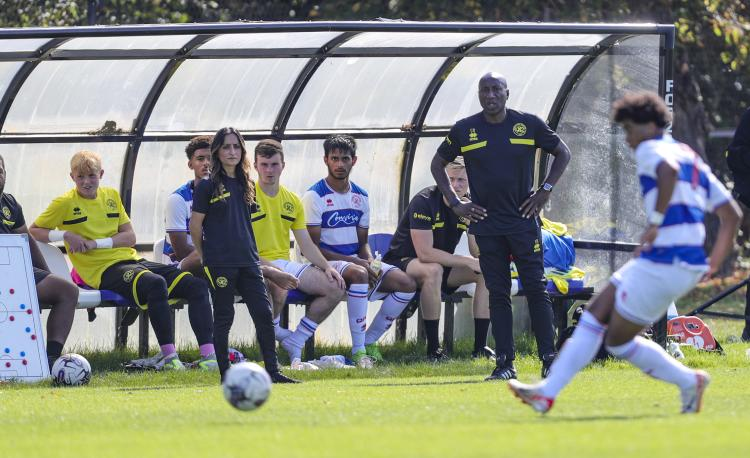
Understanding Football Academy Trials
Football academy trials are opportunities for academy coaches and recruitment staff to assess young players in training and match situations.
Trials can vary significantly between clubs, but they are generally designed to evaluate whether a player may have the qualities needed to succeed within the academy system.
A trial may last:
A single session
Several training sessions
A number of weeks
An extended observation period
In some cases, players may initially attend a development centre before progressing into a formal academy trial process.
The objective is not necessarily to identify finished players but to assess future potential.
How Do Players Get Invited to Trials?
There are several routes into academy trials.
Players may be identified through:
Grassroots football matches
School football
Academy scouts
Talent identification events
Club recommendation programmes
Scouts regularly attend local football matches looking for players who demonstrate qualities that fit their academy philosophy.
Importantly, being invited to a trial already indicates that a player has attracted positive attention.
What Happens During a Trial?
Most academy trials involve a combination of training exercises and small-sided games.
Coaches often create situations that allow players to demonstrate:
Technical ability
Decision-making
Game understanding
Communication
Attitude
Adaptability
Players may take part in:
Ball mastery activities
Passing exercises
Possession games
Small-sided matches
Conditioned games
Match scenarios
These activities allow coaches to observe how players perform in realistic football situations.
Many parents assume coaches are looking primarily for goals, assists or physical dominance.
While performance matters, academy recruitment teams often focus on a much wider range of characteristics.
Common areas assessed during football academy trials include:
Technical Ability
Coaches observe:
Ball control
Passing quality
First touch
Dribbling
Receiving skills
Technical competence often provides a foundation for future development.
Decision-Making
Players are assessed on how they:
Recognise space
Choose passes
Solve problems
React under pressure
Good decisions are often valued as highly as technical execution.
Attitude and Coachability
Academies place significant importance on:
Listening skills
Effort levels
Positive behaviour
Willingness to learn
Response to feedback
A player who demonstrates a strong attitude may be viewed more favourably than one who possesses ability but struggles to learn.
Game Understanding
Coaches observe how players:
Read the game
Position themselves
Support teammates
Make decisions off the ball
Football intelligence often becomes increasingly important as players progress through the pathway.
Why Potential Matters More Than Performance
One of the most misunderstood aspects of academy recruitment is the emphasis on potential.
Academy coaches understand that children develop at different rates.
A player who appears physically dominant at ten years old may not necessarily be the strongest prospect long term.
Recruitment staff often consider:
Physical maturity
Developmental stage
Learning capacity
Future growth potential
This means players are rarely judged solely on one performance or one trial session.
How Parents Can Support Their Child
Parents play a vital role throughout the academy trial process.
The most effective support often involves:
Keeping expectations realistic
Reducing pressure
Focusing on enjoyment
Encouraging effort
Celebrating the opportunity
Children perform best when they feel supported rather than judged.
Before a trial, remind your child that the experience itself is an achievement and an opportunity to learn.
Managing Outcomes
Not every trial results in an academy place.
This can be disappointing, but it is important to maintain perspective.
Academy recruitment decisions are influenced by many factors, including:
Squad balance
Positional needs
Development stage
Long-term planning
Being unsuccessful at one trial does not define a player's future.
Many successful footballers experienced rejection before finding the right opportunity later in their development.
Academy Trials Are Part of a Journey
Parents should view football academy trials as one stage of a much larger football journey.
Whether a child joins an academy or continues in grassroots football, development remains the priority.
Children can continue improving through:
Club football
School football
Development centres
Additional practice
Positive coaching environments
Football pathways are rarely straightforward, and there are many routes to success.
Final Thoughts
Understanding football academy trials helps parents approach the process with confidence and realistic expectations.
Academy trials are designed to assess much more than current ability. Coaches look for technical skills, decision-making, attitude, potential and a willingness to learn.
For young players, a trial should be viewed as an opportunity to enjoy football, showcase their abilities and gain valuable experience.
Regardless of the outcome, the most important goal remains the same: helping children develop, grow in confidence and continue enjoying the game they love.
Check out: What coaches look for at academy trials


